Local Markets Near Me
Ever get that feeling you need something real? Something fresh, local, and made with care? That’s often the pull towards local markets. They’re more than just places to shop. They’re hubs of our towns. They bring people together. They offer tastes and sights you won’t find just anywhere. This guide will help you find these hidden gems. We’ll show you why they matter and what makes them special.
Local markets offer a direct connection to producers. You can find fresh, seasonal foods and unique artisan goods. They support local economies and foster community spirit. Discovering them enriches your shopping experience and your understanding of where things come from.
What Are Local Markets?
Local markets are simply places where local farmers, artisans, and small businesses sell their goods. Think of farmers’ markets, craft fairs, flea markets, and even small neighborhood shops that focus on local sourcing. They are the opposite of big box stores. Here, you often meet the person who grew your food or made your item.
These markets pop up in various settings. You might find them in a town square. Sometimes they are in a park or a community center. Many happen on weekends. Some might even be weekly events. The key is that they feature products made or grown nearby.
Why Do Local Markets Matter So Much?
The appeal of local markets is deep. For shoppers, it’s about quality and connection. You get fresher food. It often tastes better. You can ask questions about how it was grown or made. This transparency builds trust.
For the sellers, it’s a way to make a living. It helps them share their passion. They can connect directly with customers. This feedback is gold. It helps them improve. It also keeps money circulating within the local area. Supporting local businesses strengthens the whole community.
My First Real Market Experience
I remember my first real farmers’ market experience vividly. I was new to the city. I felt a bit lost. One Saturday morning, I wandered into a small park. Suddenly, I was surrounded by tents. Colors popped everywhere. The air smelled of fresh baked bread and ripe berries.
There was a woman selling honey. Her stand had jars of amber liquid. She spoke with such passion about her bees. She explained how the flowers nearby changed the honey’s flavor. I bought a jar. It was the most delicious honey I had ever tasted. It felt special. It was more than just honey. It was a story. That day, I felt like I belonged.
Finding Local Markets: The Search Begins
Okay, so you’re convinced. You want to find these amazing local spots. Where do you start? The internet is your friend here. But sometimes, the best way is to look around your own town.
Online Search Strategies
Start with simple online searches. Type “farmers market near me” into your search engine. You can also try “local crafts fair” or “neighborhood market.” Many towns have official tourism websites. These often list upcoming events and regular markets.
Community pages on social media are also great. Local Facebook groups often share information about markets. You can also look for local event calendars. Many news websites have these.
Local Community Resources
Don’t forget offline resources. Your local library might have flyers or brochures. Community centers are good places to check. Sometimes, bulletin boards in coffee shops or grocery stores have announcements.
Ask people! Chat with neighbors or coworkers. They might know about a great market you haven’t heard of. Word of mouth is powerful for local spots.
Types of Local Markets
Local markets come in many forms. Each has its own charm.
Farmers’ Markets
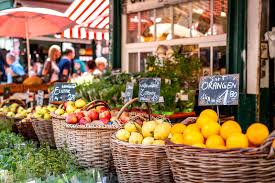
These are the most common. You find fresh fruits and vegetables. You can also find meats, eggs, dairy, and baked goods.
Many have live music. They are great for weekly grocery runs.
Craft Fairs and Artisan Markets
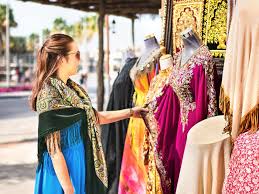
Here, you find handmade items. Think pottery, jewelry, art, and textiles. These are perfect for finding unique gifts.
They showcase local talent.
Flea Markets and Swap Meets
These offer a mix of old and new items. You can find vintage clothing, antiques, collectibles, and sometimes even tools or furniture. Bargain hunting is part of the fun.
Food Truck Rallies and Pop-Up Markets
These are often special events. Food trucks gather, offering diverse cuisines. Pop-up markets might focus on a theme, like holiday gifts or local produce.
What to Expect at a Local Market
When you visit a local market, be ready for a sensory experience. It’s usually lively. There’s a lot going on.
The Atmosphere
Markets buzz with activity. You’ll hear conversations. Laughter mixes with the sounds of vendors calling out. Music might be playing. Children might be running around. It feels alive.
The Products
Expect a wide variety. Seasonal produce is key at farmers’ markets. Fruits and vegetables are often picked very recently. This means better flavor. You might also find artisanal cheeses, fresh bread, local honey, and handmade jams.
Craft markets have unique, one-of-a-kind items. Jewelry makers, painters, woodworkers, and textile artists display their creations. You can often talk to the artists themselves.
Flea markets offer a treasure hunt. You might find something old that has a new life. Bargains can be found.
Real-World Scenarios: My Market Haul
I love going to my local farmers’ market. It’s a Saturday morning ritual. Last week, I got a beautiful bunch of rainbow chard. It looked so vibrant. The farmer told me it was grown without any pesticides. I also picked up some amazing sourdough bread. The crust was perfect.
Then I saw a stall with handmade soaps. They smelled heavenly. I chose one with lavender and oats. My skin felt so soft after using it. I also found some local raw honey. The vendor explained it was from clover blossoms. It has a light, floral taste. It’s perfect for my morning tea.
The Benefits of Buying Local
Choosing local markets comes with many perks.
Fresher, Healthier Food
Food from local markets often travels much shorter distances. This means it’s picked at its peak ripeness. It retains more nutrients and flavor. You avoid the long truck rides and storage times of supermarket produce.
Supporting Local Economies
When you buy from local vendors, your money stays in your community. This supports local jobs. It helps small businesses thrive. It builds a stronger local economy.
Environmental Friendliness
Less travel for food means less fuel is used. This reduces carbon emissions. Buying local often means less packaging too. This is good for the planet.
Quick Scan: Market Essentials
| Item | Why Buy Local |
| Fruits & Veggies | Peak ripeness, best flavor, nutrients. |
| Meats & Eggs | Often pasture-raised, humanely treated. |
| Baked Goods | Freshly made, often with simple ingredients. |
| Crafts & Gifts | Unique, handmade, supports local artists. |
Building Community Connections
Markets are social places. You see familiar faces. You chat with vendors. You might meet new friends. They create a sense of belonging. They make our towns feel more like home.
When is a Market “Local Enough”?
This can be a tricky question. The term “local” can sometimes be stretched.
Defining “Local”
Generally, “local” means within a certain radius. For produce, it might mean grown within your state or a 100-mile range. For artisans, it might mean they live and work in your town or county.
Always feel free to ask vendors about their sourcing. Most are happy to share their story. They are proud of where they come from.
What This Means for Your Shopping
Visiting local markets can change how you shop. You might start planning meals around what’s in season. You might discover new favorite foods. You might find unique gifts for loved ones.
Normal vs. Concerning
It’s normal to find slight imperfections in produce. A few bug bites or a misshapen carrot is fine. It shows it’s real food. It’s concerning if a vendor seems unwilling to answer questions about their products. Or if the food looks unhealthy or spoiled.
Simple Checks at the Market
Look at the produce: Is it fresh? Bright?
Smell the items: Do they smell as they should?
Talk to vendors: Do they seem knowledgeable and honest?
Check for cleanliness: Is the stall tidy?
Tips for a Great Market Visit
Here are some tips to make your market trips even better.
Go Early
The best items often sell out first. Arriving early means more selection. You also get to experience the market before it gets too crowded.
Bring Your Own Bags
Many vendors offer reusable bags. But it’s good to bring your own large tote bags. This helps reduce waste.
Bring Cash
While many vendors now take cards, some prefer cash. Having some cash on hand is always a good idea. Smaller vendors might not have card readers.
Plan Your Purchases
Think about what you need for the week. This helps you stay focused. But also be open to trying new things!
Talk to the Vendors
They are the experts. Ask them for cooking tips. Ask about their products. They love to share their knowledge.
Market Myth vs. Reality
Myth: Local markets are always more expensive.
Reality: While some specialty items can be pricey, often you get better value. Produce is fresher and lasts longer. Supporting local can mean investing in your community, which has its own value.
Myth: All local markets are the same.
Reality: Markets vary greatly. Some focus on organic produce. Others are heavy on crafts or vintage goods.
Each has a unique personality.
Common Market Foods and Their Uses
What you find depends on the season and location. But here are some common finds.
Seasonal Produce
Spring: Asparagus, peas, strawberries, leafy greens. Use in salads, light sautés, or enjoy raw.
Summer: Tomatoes, corn, peaches, berries, zucchini. Great for grilling, canning, or fresh eating.
Fall: Apples, pumpkins, squash, root vegetables. Perfect for baking, roasting, and hearty soups.
Winter: Root vegetables, citrus, hardy greens. Ideal for stews, roasting, and warm drinks.
Other Market Staples
Fresh Bread: Enjoy with meals, for sandwiches, or toast.
Local Cheese: Serve on a cheese board or add to recipes.
Honey: Sweeten tea, yogurt, or use in baking.
Jams and Preserves: Spread on toast, use as a filling, or serve with cheese.
When to Worry: Red Flags at the Market
While markets are generally safe and trustworthy, a few things might signal a problem.
Suspicious Produce
If fruits and vegetables look wilted, bruised, or moldy, avoid them. If they have a strange smell, that’s a bad sign.
Unprofessional Vendors
If a vendor is rude, dismissive, or won’t answer simple questions, it might be a sign. Trust your gut feeling.
Lack of Information
Reputable vendors are usually happy to tell you where and how their products are made or grown. If they are evasive, it could be a concern.
Cleanliness Issues
The stall should be reasonably clean. If it looks messy or unhygienic, that’s a red flag, especially for food vendors.
Frequently Asked Questions About Local Markets
How do I find out when and where local markets are held?
You can search online using terms like “farmers market near me” or “local craft fair.” Many towns have official websites listing events. Social media groups and local event calendars are also good resources. Check community notice boards too.
Are local markets more expensive than supermarkets?
Not always. While some items might be pricier, you often get better quality and fresher products that last longer. The value comes from freshness, taste, and supporting your local economy. Bargains can often be found, especially at flea markets.
What should I bring with me to a local market?
It’s good to bring reusable shopping bags. Having some cash is advisable, as not all vendors accept cards. You might also want a list of what you need, though be open to spontaneous finds! Comfortable shoes are a must if you plan to walk around a lot.
Can I find organic produce at local markets?
Yes, many farmers’ markets feature organic produce. Look for vendors who advertise as organic or are certified. Always feel free to ask vendors directly about their farming practices. Many are happy to share this information.
What if I have a problem with something I bought at a market?
Your best bet is to contact the vendor directly first. Most vendors want happy customers. If you can’t resolve it with them, check if the market has an organizer. They might have a policy for handling customer complaints. Keep your receipt if possible.
Are local markets safe for children?
Yes, local markets are generally very family-friendly. They can be a fun outing for kids. Many markets have activities for children or space to run around. Always supervise young children, as markets can get crowded.
The Enduring Charm of Local Markets
Local markets are more than just places to buy things. They are vibrant centers of community. They connect us to our food and to each other. They offer a taste of authenticity in a world that often feels very mass-produced.
So next time you’re looking for something special, consider a local market. You might just find your new favorite bread, a unique piece of art, or simply a friendly face. It’s an experience worth seeking out.


Related Posts
Asian Markets Near Me
Organic Food Markets Near Me