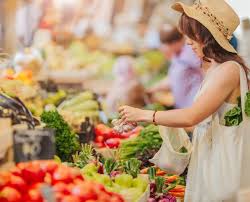
Organic Food Markets Near Me
Finding organic food markets near you involves looking for local farms, farmers’ markets, and specialty stores. These places offer fresh, sustainably grown produce and other goods. Focusing on places that prioritize community and environmental health will lead you to the best options.
What Are Organic Food Markets?
Organic food markets are places where you can buy food products that are certified organic. This means they follow strict rules for how they are grown and made. For example, organic farms use methods that build healthy soil.
They also avoid most synthetic pesticides and fertilizers. This helps protect the environment and the people who work on the farms.
When you shop at these markets, you’re getting food that’s handled with care. The rules cover everything from the seeds used to how the animals are treated. It’s all about being more in tune with nature.
These markets often focus on a few key things. They want to offer food that is good for you and good for the earth. They also often support local farmers and small businesses.
Think of it like this: organic farming is a system. It aims to be sustainable. It works with natural cycles.
It keeps land healthy for a long time. This is different from some other ways of farming. Those ways might focus on growing as much as possible, very quickly.
Organic methods take a bit more time and thought. They are about the long run.
My Own Organic Market Quest
I remember one summer, I was really trying to eat better. My usual grocery store had a small section of organic items. But it felt a bit sad and overpriced.
I wanted more. I wanted real food that tasted amazing. So, I started asking friends.
I looked online. It was a bit of a rabbit hole at first. I found a few leads, but some turned out to be just regular stores with a few organic labels.
One Saturday, I drove about 45 minutes. I heard about a small farm stand. It was run by a family.
The air smelled like fresh earth and tomatoes. They had tables piled high with colorful vegetables. I talked to the farmer.
He told me about how he grew everything. He even showed me his compost pile. It felt so honest.
That day, I bought the best zucchini I had ever tasted. It made me realize how much better food can be when it’s grown right. This sparked my mission to find more places like it.
What Makes Food “Organic”?
Definition: Organic food is produced using methods that preserve the environment. This includes avoiding synthetic pesticides, fertilizers, GMOs, and irradiation.
Animal Welfare: Organic meat, poultry, eggs, and dairy products come from animals that are raised without antibiotics or growth hormones. They have access to the outdoors.
Certification: Look for a USDA Organic seal on products. This means they meet federal standards.
Finding Your Local Organic Hubs
So, how do you actually find these places? It often starts with asking around. Your friends and neighbors might have hidden gems they love.
Social media can also be a great tool. Local groups often share information about farmers’ markets or farm stands.
The internet is your friend here. Search for terms like “organic farm near me” or “local farmers market “. You can also check websites of organic certification agencies.
Sometimes they list certified farms and businesses. Don’t forget community-supported agriculture (CSA) programs. With a CSA, you buy a share of a farm’s harvest.
You get a box of fresh produce each week.
Think about what you’re looking for. Do you want a big market with lots of choices? Or a small, local farm stand?
Both have their own charm. Small farms often have more direct interaction. You can learn a lot from the people who grow your food.
Larger markets might offer more variety, like organic meats or baked goods.
Types of Organic Food Markets
There are several types of places where you can buy organic foods. Each offers a different experience. Knowing the differences can help you find the best fit for your needs and preferences.
Farmers’ Markets
These are probably the most common. Farmers bring their produce directly to consumers. You can often talk to the farmers themselves.
They can tell you how they grew the food. These markets are usually held on specific days of the week.
You’ll find a wide range of seasonal fruits and vegetables. Many vendors also sell organic eggs, honey, jams, and baked goods. The atmosphere is usually lively and friendly.
It’s a great way to connect with your community and support local agriculture.
Farm Stands and Roadside Stands
These are often smaller than farmers’ markets. They are usually located right at the farm. Or they might be set up on a farmer’s property.
You can find fresh, in-season produce here. Sometimes they have a simple honor system for payment.
Farm stands offer a very direct connection to the source. You see where the food comes from. It’s usually picked very recently.
This means it’s often at its freshest. These stands are a great way to get hyper-local food.
Specialty Organic Grocery Stores
These stores focus specifically on organic and natural products. They carry a wider range of items than a typical grocery store. You can find organic produce, meats, dairy, pantry staples, and even body care products.
These stores are convenient if you want to do all your shopping in one place. They often have knowledgeable staff who can answer questions about organic products. They also usually carry a good selection of items that are hard to find elsewhere.
Cooperative Groceries (Co-ops)
Co-ops are member-owned grocery stores. Members often get discounts and can have a say in how the store is run. They usually have a strong commitment to organic, local, and sustainable products.
Shopping at a co-op can feel like being part of a movement. They often have a strong community feel. They are a great place to find a wide variety of organic items.
They also usually focus on ethical sourcing.
Quick Scan: Farmers’ Market vs. Farm Stand
| Feature | Farmers’ Market | Farm Stand |
| Scale | Often larger, multiple vendors | Usually small, single-farm |
| Location | Central community spot | At the farm or nearby |
| Variety | Wider, from many farms | Limited to that farm’s harvest |
| Interaction | Talk to many farmers | Directly with the farmer |
What to Look for When You Go
When you visit an organic market, keep a few things in mind. This helps you make the best choices. You want to feel good about the food you’re buying.
The Organic Seal: For packaged goods, look for the USDA Organic seal. This is your assurance that the product meets federal standards. For fresh produce, it’s not always required to have a sticker.
But farmers should be able to tell you about their practices.
Ask Questions: Don’t be afraid to talk to the vendors. Ask them about their farming methods. How do they manage pests?
What do they feed their animals? A good organic farmer will be happy to share their knowledge. This is a key part of the experience.
Seasonality: Organic markets are best for seasonal produce. This is food that’s grown naturally when it’s supposed to grow. It tastes better and is usually more affordable.
Try to eat what’s in season in your area.
Local Focus: While not all organic food is local, many organic markets prioritize local farms. Supporting local farmers helps your community. It also often means fresher food with a smaller carbon footprint.
Appearance vs. Reality: Sometimes organic produce might not look as “perfect” as conventional. It might have small blemishes or variations in size.
This is often a good sign! It means fewer artificial treatments were used.
Real-World Scenarios
Let’s imagine a few situations where you might visit an organic market.
Scenario 1: The Weekend Farmer’s Market
It’s a bright Saturday morning. You head to the town square. Local farmers have set up their stalls.
The air is filled with the smell of fresh basil and ripe berries. You see a farmer with vibrant red tomatoes. You ask them how they grow them.
They explain they use compost and natural pest control. You buy a basket. They taste like sunshine.
Scenario 2: A Quick Stop at a Farm Stand
You’re driving home from work. You see a small sign by the road: “Fresh Organic Corn.” You pull over. A simple wooden stand holds ears of corn.
There’s a jar for money. You take two ears. You’ll grill them tonight.
The corn is sweet and tender. It’s a simple, perfect meal.
Scenario 3: Your Weekly Co-op Trip
You walk into your local food co-op. The shelves are stocked with organic grains, beans, and snacks. The produce section is full of colorful, fresh items.
You pick up some organic chicken and a bunch of kale. You chat with another shopper about a new recipe. It feels like a community hub.
Organic Farming Practices: A Closer Look
Soil Health: Organic farmers focus on building healthy soil. They use compost, cover crops, and manure. This makes the soil rich and helps plants grow strong.
Pest Control: Instead of chemical sprays, they use natural methods. This includes beneficial insects, crop rotation, and physical barriers.
Water Conservation: Many organic farms use water-efficient irrigation. They also maintain healthy soil, which holds water better.
Biodiversity: Organic farms often encourage a variety of plants and animals. This creates a more balanced ecosystem.
What This Means for Your Health and Home
Choosing organic food from these markets can have a big impact. For your health, it means less exposure to pesticide residues. Some studies suggest organic foods may have higher levels of certain nutrients.
But the main benefit is often avoiding harmful chemicals.
For your home environment, it’s about supporting sustainable practices. These markets often reduce food miles. This means food travels shorter distances to get to you.
This lowers carbon emissions. It also supports farmers who are trying to farm in ways that are better for the planet.
When you buy from local organic markets, you’re making a choice. You’re choosing to invest in food that’s grown with intention. You’re supporting a system that cares about the earth.
This can give you peace of mind. You know where your food comes from and how it was produced.
It’s also about taste! Food grown with care, harvested at its peak, and often without long transport, simply tastes better. The difference in flavor and texture can be surprising.
This makes healthy eating much more enjoyable.
When Is Organic Right for You?
There might be times when buying organic is especially important. For example, some fruits and vegetables are known to absorb more pesticides. These are sometimes called the “Dirty Dozen.” When you can, choosing organic for these items is a good idea.
Other items, known as the “Clean Fifteen,” have lower pesticide residues. You might feel more comfortable buying conventional versions of these if budget is a concern. The Environmental Working Group (EWG) publishes these lists annually.
It’s a helpful guide for making choices.
Don’t feel like you have to go all-organic overnight. Start small. Pick one or two items you buy often.
Swap them for organic versions. See how you feel. Visit a local farmers’ market and just explore.
Talk to people. The goal is to find what works best for your lifestyle and your family.
Consider the price too. Organic food can sometimes be more expensive. This is often because organic farming can be more labor-intensive.
It doesn’t use cheaper synthetic inputs. However, shopping at farmers’ markets or joining a CSA can sometimes offer better value. You might also save money by buying in season and preserving food.
Quick Tips for Smart Organic Shopping
Here are some simple ways to make your organic shopping easier and more effective.
- Make a List: Plan your meals for the week. This helps you buy only what you need. It reduces waste.
- Go Seasonal: Buy produce that’s in season locally. It’s usually cheaper and tastes best.
- Compare Prices: Not all organic markets are the same price. Compare options if you can.
- Bring Your Own Bags: Many markets encourage reusable bags. It’s good for the environment.
- Talk to Vendors: Build relationships with farmers. They can offer tips and tell you what’s coming next.
- Look for Sales: Organic specialty stores often have weekly sales. Keep an eye out for deals.
- Consider “Ugly” Produce: Some markets offer discounted produce that’s not perfectly shaped. It’s still delicious!
The “Dirty Dozen” vs. “Clean Fifteen”
What are they? These lists help consumers decide where to focus their organic spending. They are based on pesticide residue testing by the USDA and FDA.
Dirty Dozen (Higher Pesticides): Focus on buying organic versions. Examples include strawberries, spinach, kale, apples, and peaches.
Clean Fifteen (Lower Pesticides): Conventional versions are generally considered safer. Examples include avocados, corn, onions, papayas, and sweet potatoes.
Source: These lists are updated annually by the Environmental Working Group (EWG).
Frequently Asked Questions About Organic Markets
What is the main difference between organic and conventional food?
Organic food is grown and processed without synthetic pesticides, fertilizers, genetically modified organisms (GMOs), or irradiation. Conventional food may use these methods. Organic farming focuses on soil health, biodiversity, and environmental sustainability.
Are organic foods more nutritious?
Research is ongoing. Some studies show organic foods may have higher levels of certain antioxidants or nutrients. However, the biggest benefit of organic is often the reduction of pesticide exposure and support for sustainable farming practices.
How do I know if a farmers’ market is truly organic?
Many farmers’ markets have rules for vendors selling organic produce. Some require USDA Organic certification. Others may have their own standards.
Ask the market manager or the farmers directly about their practices. Look for vendors who are transparent and willing to share information.
Is organic food always local?
No, organic food is not always local. Organic refers to the farming method. Local refers to the distance the food travels.
Many organic markets focus on local producers, but you can find organic food from all over the world.
Why is organic food sometimes more expensive?
Organic farming can be more labor-intensive. It may also have lower yields than conventional farming. The cost of organic certification can also add to the price.
These factors often make organic products more costly.
Can I find organic meat and dairy at these markets?
Yes, many farmers’ markets and specialty organic stores offer organic meats, poultry, eggs, and dairy products. Look for vendors who clearly label their products as organic and can explain their animal husbandry practices, such as access to pasture and the absence of antibiotics or growth hormones.
Putting It All Together
Finding organic food markets near you is an adventure. It’s a journey toward better eating and a healthier planet. By exploring farmers’ markets, farm stands, and specialty stores, you connect with food in a new way.
You support farmers who care about the land. You bring home food that’s fresh, flavorful, and produced with integrity. Happy hunting!


Related Posts
Asian Markets Near Me
Famous Shopping Markets In Dubai