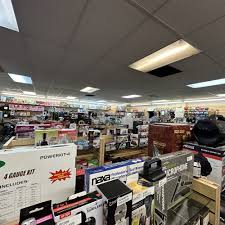
Electronics Wholesale Market Usa
Navigating the world of electronics wholesale can feel like a maze. You’re looking for the best deals. You want reliable sources for your business.
It’s a busy place. Many people feel lost. This guide will make it clear.
Understanding the U.S. Electronics Wholesale Market
The electronics wholesale market in the U.S. is huge. It’s where businesses buy electronics in large amounts.
They buy from manufacturers or distributors. Then they sell them to customers. Think of big stores.
They get their TVs and phones this way. Small online shops do too. This market drives innovation.
It also helps keep prices down for consumers. It’s a key part of our economy. The types of electronics are endless.
From tiny computer chips to large home appliances. The flow of goods is constant. It supports countless jobs.
Understanding how it works is vital. You need to know where to look. You need to know what to expect.
Prices can change quickly. New tech appears all the time. Staying informed helps you succeed.
It means your business can thrive. You can offer good products. You can make good money.
This guide will break it all down. We will cover the basics. We will also look at tips for finding the best partners.
The U.S. electronics wholesale market involves businesses buying electronics in bulk from suppliers. These businesses then resell these items. This market encompasses a vast range of products, from small components to large consumer electronics. It is a dynamic sector driven by technological advancements and consumer demand, impacting both businesses and the end consumer prices.
The Journey of Electronics: From Factory to Your Shelves
Every electronic item you see has a story. It starts long before it reaches a store. It begins with raw materials.
These are mined and processed. Then, specialized factories build the parts. Think of tiny circuit boards.
Or the screens for your phone. These parts come together. Often in huge assembly plants.
These plants can be here in the U.S. or in other countries. Many major electronics are made overseas.
Then they are shipped here.
Once assembled, the finished goods need a home. This is where wholesalers step in. They buy huge quantities.
Sometimes directly from the factory. Other times from large international distributors. They store these goods.
They manage the inventory. Then, they sell them to smaller businesses. These businesses might be retail stores.
They could be online sellers. Or even other companies that use these electronics. It’s a complex chain.
Each step adds value. It also adds cost. Understanding this chain helps you find savings.
The global nature of electronics is important. Most smartphones are made in Asia. Many computers have parts from many places.
This means shipping costs matter. So do tariffs and import rules. Wholesalers deal with this.
They have systems to manage it. They know about customs. They know about logistics.
This knowledge is part of what you pay for. It saves you a lot of headaches. It ensures products arrive when you need them.
It’s a carefully orchestrated process.
Why the U.S. Electronics Wholesale Market Matters to You
If you run a business selling electronics, this market is your lifeline. It’s how you get products. It’s how you compete.
Without wholesale, buying even a few items would be very expensive. You wouldn’t make any profit. Wholesalers offer bulk discounts.
They make it possible to buy dozens or hundreds of items. This allows your business to scale up. You can serve more customers.
You can offer a wider variety of goods. It’s the foundation of many retail dreams.
Even if you’re not buying for a business, you benefit. The competition among wholesalers helps keep prices lower. It also drives better quality.
Wholesalers want your repeat business. They work to offer good service. They ensure products are what they say they are.
This means you can trust what you buy. You can rely on the products reaching your customers. This trust is built on the wholesale system.
It’s a system that needs to be understood. So you can make smart choices.
Consider a small online shop selling phone cases. They can’t buy from the factory. The factory wants huge orders.
So, they go to an electronics wholesaler. They can buy 100 cases. They get a good price per case.
They can then sell these cases online. The wholesaler made it possible. Without them, the shop wouldn’t exist.
This applies to almost all electronic goods. From tiny USB drives to large gaming consoles. The wholesale market is the engine.
My Own Brush with Wholesale Woes
I remember starting out. I wanted to sell custom-built PCs. I was so excited about the parts.
I went online. I saw prices. Then I looked at wholesale prices.
The difference was huge. I thought, “Great! I’ll just buy wholesale.” I found a few websites.
They looked a bit… old. But they had the parts I wanted. I placed a big order.
It was for graphics cards and processors. I paid the money. Then I waited.
And waited. Nothing came. Emails went unanswered.
The website eventually disappeared. It was a hard lesson. I lost a lot of money.
And my dream business idea felt crushed. That’s when I learned not all wholesalers are equal. I learned the importance of doing deep research.
And looking for signs of trust. It took months to recover financially. But the experience taught me so much.
It made me value reliable suppliers. It made me understand the risks. And the rewards of finding good ones.
Quick Scan: Finding Reputable Wholesalers
Look For:
- Professional Website
- Clear Contact Information
- Customer Reviews
- Business Registration
Be Wary Of:
- Unbelievably Low Prices
- Requests for Unusual Payment Methods
- Poorly Designed Websites
- Lack of Transparency
Types of Electronics Wholesalers
The U.S. electronics wholesale landscape is not one size fits all. There are different types of players.
Each serves a slightly different need. Understanding these differences helps you target your search.
Direct Manufacturers and Brand Distributors
Some large companies sell directly. Or they have official distributors. Think of major brands like Apple or Samsung.
While they sell to consumers, they also have programs for large businesses. Buying directly can offer the best pricing. You might also get the latest models first.
But the minimum order quantities can be very high. You often need to prove you are a legitimate business. This route is usually for larger operations.
It requires significant capital. It also means building a direct relationship with the brand. This can be very rewarding.
But it’s not for everyone.
General Electronics Wholesalers
These are the most common. They stock a wide range of products. You can find everything from chargers to cameras.
They buy from many different manufacturers. They act as a one-stop shop. This is great for businesses that sell a variety of items.
You can get many of your needs met in one place. This saves time. It also simplifies your ordering process.
You build one relationship. You manage one account. These wholesalers are essential for many small and medium businesses.
They bridge the gap between big factories and small shops.
Specialty Wholesalers
Some wholesalers focus on one type of product. For example, you might find wholesalers just for computer parts. Or only for audio equipment.
Or exclusively for mobile accessories. These specialists often have deeper knowledge. They might offer more niche products.
They can be great if your business is highly focused. Their expertise can be invaluable. They might know about upcoming trends.
Or hard-to-find components. If you are serious about a specific product line, seek out a specialty wholesaler.
Liquidators and Closeout Specialists
These companies deal in overstock. Or returned items. Or items that are being discontinued.
Prices here can be incredibly low. This is a great way to find deals. But you need to be careful.
Products might be used. They might have minor defects. Or they might be old models.
You must inspect everything carefully. Often, these sales are final. They are good for clearance items.
Or for businesses that can repair or refurbish goods. It’s a high-risk, high-reward category. Due diligence is absolutely crucial here.
Dropshippers
Dropshipping is a bit different. The wholesaler holds the inventory. You list their products on your site.
When a customer buys, you forward the order. The wholesaler ships directly to the customer. You never touch the product.
This has very low startup costs. You don’t need warehouse space. But your profit margins can be smaller.
You also have less control over shipping times. And product quality. It’s a popular model for online stores.
But it requires finding a reliable dropshipping partner.
Understanding Your Needs
Ask Yourself:
- What specific electronics do I need?
- How much do I need to buy?
- What is my budget for inventory?
- Do I need the latest models or can I use older stock?
- What level of quality control do I require?
- What is my business model (retail, online, dropship)?
Key Factors When Choosing a U.S. Electronics Wholesaler
Picking the right wholesaler is critical. It’s more than just price. A bad partnership can cost you time, money, and reputation.
Here are the key things to check.
1. Reliability and Reputation
This is paramount. Does the wholesaler have a good track record? Do they deliver on time?
Are their products as described? Look for reviews. Ask for references.
A wholesaler with a solid reputation is worth more than a slightly lower price. I learned this the hard way. A cheap supplier who disappears is no supplier at all.
Trust your gut. If something feels off, it probably is. Check their business registration too.
Ensure they are legitimate.
2. Product Quality and Authenticity
You don’t want to sell fake or low-quality goods. Especially in electronics. It damages your brand.
Counterfeit items are a huge problem. Make sure the wholesaler provides authentic products. Ask about their sourcing.
Do they have certifications? For example, are they authorized distributors? If they sell refurbished or open-box items, ensure this is clearly stated.
And that they are tested and guaranteed. Quality control is essential for building customer loyalty.
3. Pricing and Payment Terms
Of course, price matters. But look beyond the sticker price. What are the bulk discounts?
Are there hidden fees? Shipping costs can add up quickly. Understand their payment terms.
Do they offer credit? What are the payment methods? Some wholesalers require upfront payment for all orders.
Others might offer net 30 or net 60 terms once you build trust. This can significantly impact your cash flow. Compare prices across several suppliers.
But don’t let it be the only factor.
4. Minimum Order Quantities (MOQs)
Most wholesalers have MOQs. This is the minimum number of units you must buy. Or a minimum dollar amount.
This can be a hurdle for new businesses. Or those with tight cash flow. Some have very high MOQs.
Others are more flexible. Make sure the MOQ fits your buying capacity. It’s no good finding a great price if you can’t afford to meet their minimums.
Some wholesalers are willing to negotiate MOQs. Especially if you show potential for growth.
5. Shipping and Logistics
How fast can they ship? What are the shipping costs? Do they ship to your location?
What carriers do they use? If you’re selling online, quick and reliable shipping is vital. Delays frustrate customers.
Understand their return policy too. What happens if an item is damaged in transit? Or if it’s defective?
Clear processes for returns and damaged goods are a sign of a good wholesaler. They stand behind their products. Efficient logistics save you stress.
6. Customer Service and Support
When you have a problem, who do you call? Good customer service is a lifesaver. Can you easily reach someone?
Are they helpful and knowledgeable? Do they respond quickly? This is especially important when dealing with technical products like electronics.
They should be able to answer your questions. About product specs. About compatibility.
About troubleshooting. A responsive support team makes a huge difference. It builds a strong working relationship.
7. Inventory Management and Stock Levels
Does the wholesaler keep popular items in stock? Do they have real-time inventory updates? Running out of stock means lost sales.
If a wholesaler frequently has stock issues, it’s a red flag. Look for those who manage their inventory well. Some offer integrations with your own systems.
This can automate stock checks. It helps you plan your own orders more effectively. Consistent availability is key to consistent sales.
Contrast Matrix: Wholesale Trustworthiness
| Myth | Reality |
| The cheapest price is always the best. | Reliability, quality, and service often outweigh minor price differences. |
| All wholesalers are the same. | Different types of wholesalers serve different needs; specialization matters. |
| If it looks professional, it’s trustworthy. | Website appearance can be deceiving; due diligence on business practices is essential. |
| MOQs are rigid rules. | MOQs can sometimes be negotiated, especially for growing businesses. |
Where to Find U.S. Electronics Wholesalers
Now for the actual search. Where do you go? It takes some digging.
But there are good places to start.
Online Directories and B2B Marketplaces
These platforms are designed for wholesale. Sites like Alibaba (though international, they have U.S. suppliers), ThomasNet, and Faire can be good starting points.
Many list verified suppliers. They often have reviews. They allow you to filter by product category and location.
These marketplaces simplify the initial search. You can often send inquiries directly through the platform. Some cater specifically to electronics.
They list manufacturers and distributors. Explore these thoroughly. They are a modern way to connect.
Trade Shows and Industry Events
Attending electronics trade shows is invaluable. Events like CES (Consumer Electronics Show) or specialized regional shows are perfect. You can meet wholesalers in person.
You can see their products. You can build relationships face-to-face. This is often how the best deals are made.
You can ask tough questions. You can gauge their professionalism. You’ll also learn about new trends.
Many wholesalers exhibit at these events. They are looking for new business partners.
Networking and Referrals
Talk to other business owners. Ask for recommendations. If you know someone who buys electronics wholesale, they might share their contacts.
Referrals often lead to the most reliable partners. People trust recommendations from peers. A good word from a fellow business owner carries weight.
This can bypass the risky initial search. It gives you a trusted starting point. Don’t be afraid to ask around in your industry.
Direct Manufacturer Websites
As mentioned, some brands have wholesale programs. Check the “Wholesale” or “Business” sections on their official websites. This is especially true for higher-end or specialized electronics.
If you are targeting a specific brand, start here. This can lead you to authorized distributors. It ensures you get genuine products.
It can also offer competitive pricing for large volumes.
Local Business Chambers and Associations
Your local chamber of commerce might have resources. Or know of businesses that operate in the wholesale sector. Industry-specific associations are also great.
If you are in the IT sector, look for IT associations. They often have member directories. Or they host networking events.
These groups focus on business growth. They can point you to relevant services.
Smart Search Strategy
- Start Broad: Use general B2B marketplaces.
- Narrow Down: Filter by “electronics” and “USA.”
- Deep Dive: Visit company websites. Check their “About Us” and “Contact” pages.
- Inquire: Send clear, polite emails about your business needs.
- Verify: Look for business licenses, reviews, and BBB ratings.
Navigating Pricing and Negotiations
Wholesale pricing isn’t always fixed. There’s room for discussion. Especially as your business grows.
Understanding how to approach pricing can save you money.
Understanding Wholesale Pricing Structures
Prices are usually tiered. The more you buy, the less you pay per unit. This is common for electronics.
You’ll see price breaks at certain quantities. For example, 1-24 units might be one price. 25-99 units a lower price.
100+ units an even lower price. There are also list prices and dealer prices. As a wholesaler, you get dealer prices.
These are significantly lower than retail. Always ask for their wholesale price list. Or a quote for your specific needs.
The Art of Negotiation
Don’t be afraid to negotiate. Especially if you are placing a large order. Or if you plan to be a repeat customer.
You can try to negotiate on price. Or on payment terms. Or on shipping costs.
Have a clear idea of what you want to pay. Research competitor pricing. If you find a better deal elsewhere, mention it.
But do so politely. Building a relationship is key. A good wholesaler wants your business.
They might be willing to work with you.
For example, if you consistently buy 500 units a month, you have leverage. You can ask for a better price on that volume. You could also negotiate for faster shipping.
Or for them to cover a portion of the shipping cost. Even small savings add up. Especially with electronics.
They have relatively thin margins. So every bit counts.
Impact of Market Fluctuations
Electronics prices can be volatile. Chip shortages can drive up costs. New model releases can lower prices on older stock.
Currency exchange rates can affect imported goods. Stay informed about market trends. This helps you understand price changes.
It also helps you time your purchases. Buying just before a major price drop can be costly. Conversely, buying just as prices are set to rise can save you money.
Negotiation Tips
- Know Your Numbers: Understand your costs and desired profit margin.
- Research: Know what competitors are charging.
- Build Rapport: A good relationship opens doors.
- Be Prepared to Walk Away: Don’t accept a deal that doesn’t work for you.
- Ask for More: Start a bit higher than your target price.
Common Pitfalls to Avoid
Even with good research, mistakes can happen. Here are some common traps in the electronics wholesale market.
1. Overstocking Too Quickly
It’s exciting to buy a lot. But buying too much too soon can be a problem. You tie up cash.
If the products don’t sell, you’re stuck. Start small. Test the market.
See what sells well. Then increase your orders gradually. Especially if you are dealing with fast-moving tech.
What’s popular today might be old news tomorrow. A smart inventory strategy is crucial.
2. Ignoring Return Policies
Things happen. A product might be defective. It might get damaged in shipping.
Or a customer might return it. What is the wholesaler’s return policy? Is it clear?
Is it fair? A good policy protects you. It allows you to return faulty goods.
Without a clear policy, you could be stuck with unsellable inventory. Always read the fine print. Ask about it before you commit.
3. Not Verifying Authenticity
This is a major issue with electronics. Counterfeit parts and devices are rampant. Always buy from reputable sources.
Ask for proof of authenticity. If a deal seems too good to be true, it probably is. Selling fake goods can lead to legal trouble.
And it destroys customer trust. Stick to authorized distributors or well-known wholesalers. Your reputation depends on it.
4. Ignoring Shipping Costs and Times
Shipping can kill your profit margins. And slow delivery frustrates customers. Get clear quotes for shipping.
Understand delivery times. Especially if you are selling online. Customers expect fast delivery.
If your wholesaler is slow, your business suffers. Consider warehousing closer to your customers. Or choose faster shipping methods.
Factor these costs into your pricing.
5. Neglecting Customer Service from Your Supplier
You need a supplier who is there for you. If you have problems, you need help. Poor customer service from your wholesaler means poor service for your customers.
You can’t afford to have product issues you can’t resolve. Or unanswered questions about orders. It creates a domino effect of problems.
Prioritize suppliers with excellent support.
Red Flags to Watch For
- Unprofessional website or communication.
- Requests for wire transfers only, especially for new orders.
- Vague or non-existent return policies.
- Inability to provide product certifications or proof of origin.
- Consistently out-of-stock popular items.
The Future of Electronics Wholesale
The world of electronics is always changing. So is the wholesale market. What does the future hold?
Increased Automation and AI
Expect more automation in warehousing. And AI in managing inventory. This will make operations faster.
And more efficient. AI can predict demand. It can optimize stock levels.
It can even help with customer service. This means faster deliveries. And potentially lower costs.
For both wholesalers and buyers.
Sustainability and Green Tech
There’s a growing demand for eco-friendly products. And sustainable business practices. Wholesalers will need to adapt.
This means sourcing products made with recycled materials. Or those that are energy-efficient. They might also need to offer repair services.
Or take back old electronics for recycling. Consumers are more aware. They want to buy from ethical companies.
Direct-to-Consumer (DTC) Trends
Some manufacturers are selling more direct to consumers. This bypasses traditional wholesale. However, for most businesses, wholesale will remain vital.
Especially for smaller retailers. And for companies that need a wide variety of products. Wholesalers will need to offer unique value.
Such as curated selections. Or specialized services. To compete with DTC brands.
Data-Driven Decisions
Data analytics will become even more important. Wholesalers will use data to understand buying patterns. To forecast demand.
And to personalize offers. Businesses that partner with data-savvy wholesalers will have an edge. They will be able to stock the right products.
At the right time. And at the right price.
Future Focus Areas
- Efficiency: Streamlined operations, faster shipping.
- Ethics: Focus on sustainability and fair labor.
- Value-Add: Offering services beyond just product supply.
- Technology: Embracing AI and data for better insights.
What This Means for Your Business
Success in the electronics wholesale market depends on smart choices. It means finding reliable partners. It means understanding pricing.
And it means avoiding common mistakes. You need to be informed. You need to be prepared.
Start by defining your needs. What products are you selling? How much inventory do you need?
Then, research potential wholesalers. Look for those with a good reputation. Check their product quality.
Understand their MOQs and payment terms. Don’t be afraid to ask questions. And don’t settle for the first option.
Building strong relationships with your wholesalers is key. They are your partners. They can help your business grow.
By providing quality products. And reliable service. Stay informed about market trends.
And be ready to adapt. The electronics market is fast-paced. But with the right strategy, you can thrive.
Frequently Asked Questions
What is the best way to find electronics wholesalers in the USA?
The best way involves a multi-pronged approach. Start with online B2B marketplaces like ThomasNet or Faire. Attend industry trade shows focused on electronics.
Network with other business owners for referrals. Also, check the “wholesale” sections on official manufacturer websites.
How do I verify if an electronics wholesaler is legitimate?
Check their business registration and licenses. Look for customer reviews and testimonials. See if they are accredited by organizations like the Better Business Bureau (BBB).
Be wary of requests for unusual payment methods or poorly designed websites.
What are Minimum Order Quantities (MOQs) and why do they matter?
MOQs are the minimum number of units or dollar amount you must purchase. They matter because they determine if you can afford to buy from a wholesaler. Smaller businesses may need to find wholesalers with lower MOQs or negotiate them.
Can I negotiate prices with electronics wholesalers?
Yes, negotiation is often possible, especially for larger orders or if you plan to be a regular customer. Research competitor pricing, build a good relationship, and be clear about your needs. Negotiate on price, payment terms, or shipping costs.
What should I do if I receive defective electronics from a wholesaler?
Contact the wholesaler immediately to understand their return policy. Most reputable wholesalers have procedures for handling defective items. Ensure you have documentation of the order and the defect.
A clear return policy from the wholesaler is crucial for this.
Are there specific regulations for importing electronics into the USA?
Yes, there are regulations. These are managed by agencies like U.S. Customs and Border Protection (CBP) and sometimes the FCC for radio frequency devices.
Wholesalers typically handle import compliance, but it’s wise to understand basic import rules and tariffs if you source internationally.
Conclusion
The U.S. electronics wholesale market is a dynamic space. It offers great opportunities.
But it requires careful navigation. By understanding the types of wholesalers. And by knowing what to look for.
You can find reliable partners. These partners will help your business succeed. Stay informed.
Be diligent. And build strong relationships. Your success is built on these foundations.


Related Posts

Asian Markets Near Me

Organic Food Markets Near Me