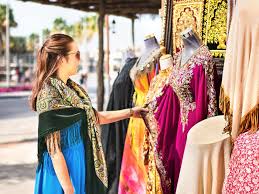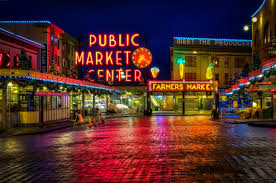
Best Local Markets & Businesses By City
Finding special places right in your own neighborhood can feel like a treasure hunt. It’s easy to get stuck in routines. We often shop at the same big stores or use the same online services.
But there’s a whole world of unique local shops and vibrant community markets out there. These places offer something truly different. They connect us to our towns and the people who make them special.
This guide will help you find the best local markets and businesses in any city.
The best local markets and businesses offer unique products and experiences, foster community connections, and support the local economy. Exploring them helps you discover hidden gems and contributes to the vibrancy of your city.
Understanding Local Markets and Businesses
Local markets and businesses are the heart of a community. They are often small or medium-sized. Many are owned by people who live nearby.
These places sell things made locally or sourced with care. Think about farmers’ markets full of fresh produce. Or small shops with handmade crafts.
They are different from big chain stores. They offer a personal touch and unique items.
These local spots are important. They create jobs for people in the area. They also help keep money circulating within the local economy.
When you buy from a local business, more of that money stays in your town. This helps other local businesses and services too. It’s a great way to support your neighbors.
It also makes your city a more interesting place to live.
My First Time Exploring a Farmers Market
I remember one Saturday morning. The sun was just starting to peek over the buildings. I had heard about a new farmers market opening downtown.
Usually, I’d sleep in or grab coffee from a familiar chain. But I felt a pull to go explore. I parked my car a few blocks away.
As I walked closer, I could hear music. Laughter filled the air. People were chatting and browsing.
The smell of fresh baked bread mixed with ripe berries. Booths were set up in neat rows. Each one was bursting with color.
Farmers proudly showed off their fruits and vegetables. Some had jars of honey or homemade jams. A woman was selling hand-knitted scarves.
Her smile was as warm as the sun. I bought a juicy peach. It was the sweetest I had ever tasted.
That day, I learned how much joy these local places can bring.
Finding Local Gems: A Quick Checklist
Look for:
- Unique products not found elsewhere.
- Friendly staff who know their products.
- Signs of community involvement (events, local art).
- Local ingredients or materials used.
- A place that feels welcoming and personal.
Types of Local Businesses to Discover
Cities offer many types of local businesses. Each one adds its own flavor. Farmers’ markets are a great start.
They offer fresh food directly from growers. You can find seasonal fruits and vegetables. You can also get local meats, cheeses, and baked goods.
These markets are often weekly events. They are perfect for stocking up on healthy food.
Then there are the independent shops. These can be anything from bookstores to boutiques. A good local bookstore often has staff picks.
They know the titles well. A clothing boutique might carry designs from local artists. You can also find specialty food stores.
Think of bakeries, delis, or coffee roasters. These places often have a signature item. It’s something you can’t get anywhere else.
Don’t forget about local service providers. This includes things like independent mechanics or repair shops. They often provide honest work.
They care about their reputation in the community. Local artisans and craftspeople are another group. They create beautiful handmade items.
You can find them at craft fairs or in their own studios. Supporting them means supporting creativity.
Local Business Spotlight: Craft Stores
What to Expect:
Unique Items: Handmade jewelry, pottery, art, custom gifts.
Personal Touch: Meet the maker, learn the story behind the item.
Community Feel: Often host workshops or local artist features.
How to Find the Best Local Markets in Your City
Finding local markets takes a little effort. But the rewards are worth it. Start with online searches.
Use terms like “farmers market near me” or “local produce market “. Websites like LocalHarvest.org can be very helpful. They list farmers’ markets across the country.
Your city or county often has an official tourism website. These sites usually feature local markets.
Social media is another powerful tool. Follow local community groups or pages. Many markets and businesses post updates there.
You can see photos of what’s available. You can also find out their hours and locations. Local news outlets sometimes have guides to the best markets.
Check their websites or community sections.
Don’t be afraid to ask people. Talk to friends, neighbors, or coworkers. They might have favorite spots they love to share.
Local coffee shops or community centers are also good places to ask. Staff there often know about events and markets happening nearby. It’s a friendly way to get insider tips.
Farmers Market Must-Haves:
- Reusable Bags: Essential for carrying your goods.
- Cash: Some vendors prefer it, especially smaller ones.
- Water Bottle: Stay hydrated while you browse.
- Curiosity: Be open to trying new things!
Identifying Great Local Businesses
Spotting a truly great local business is about more than just its products. It’s about the overall experience. A good business will have a clean and inviting space.
The products will be well-organized and appealing. Staff should be knowledgeable and helpful. They should be able to answer your questions about what they sell.
This shows genuine care and expertise.
Look for signs of customer loyalty. Are there many repeat customers? Do people seem to know the staff by name?
This indicates a strong connection. Reviews online can also offer clues. Read what other people say about their experiences.
Pay attention to consistent feedback, both positive and negative. This gives you a balanced view.
Consider their community involvement. Do they sponsor local events? Do they partner with other local businesses?
This shows they are invested in the area. It’s a sign of a business that cares about more than just profit. These elements together paint a picture of a valuable local establishment.
Myth vs. Reality: Local Businesses
Myth:
Local businesses are always more expensive.
Reality:
Prices vary. Sometimes they are higher due to quality or small-batch production. Other times, they offer better value than chains.
Myth:
Local businesses lack variety.
Reality:
Many local businesses offer unique items you won’t find anywhere else. Specialty stores have deep selections in their niche.
The Charm of Independent Bookstores
Independent bookstores are special places. They are more than just shops selling books. They are often community hubs.
You can find a curated selection of titles. The staff usually loves books. They can offer great recommendations.
They might know obscure authors or upcoming releases.
Many independent bookstores host events. This can include author readings, book clubs, or poetry nights. These events bring people together.
They create a sense of shared interest. It’s a great way to meet other book lovers. The atmosphere in these stores is often cozy and inviting.
You can spend hours browsing the shelves. It feels like a literary adventure.
When you buy a book from an independent store, you support more than just the owner. You support literary culture. You help keep diverse voices in print.
You contribute to the unique character of your city. It’s a choice that benefits everyone.
A Day at an Independent Bookstore:
Morning: Arrive early, find a comfy chair, and pick out a new release.
Afternoon: Browse the shelves, chat with the bookseller about your favorite genres.
Evening: Attend an author signing or a local writing group meeting.
Exploring Local Artisan and Craft Markets
Artisan and craft markets are fantastic places to find unique gifts. They also offer wonderful items for your home. These markets showcase the work of local artists and makers.
You can find handmade jewelry, pottery, paintings, and textiles. There are often custom furniture makers or woodworkers too.
The great thing about these markets is you can often meet the creators. You can ask them about their process. You can learn the story behind their pieces.
This connection makes the items more special. It’s like bringing home a piece of art with a personal history. These markets are perfect for finding birthday gifts or holiday presents.
They also support a vibrant creative economy. Local artists often pour their passion into their work. Buying from them directly supports their talent and livelihood.
It’s a way to bring original art into your life. It also helps keep unique crafts alive. Many of these markets are seasonal or held on specific weekends.
So, check local listings.
Types of Crafts You Might Find:
- Jewelry: Beaded, metal, or gemstone creations.
- Ceramics: Mugs, bowls, decorative pieces.
- Textiles: Scarves, blankets, woven art.
- Woodwork: Carvings, small furniture, decorative items.
- Art: Paintings, prints, sculptures.
The Role of Local Coffee Shops and Cafes
Local coffee shops are more than just places to get a caffeine fix. They often serve as community living rooms. Many offer comfortable seating areas.
They are great spots for meeting friends. They are also quiet places to work or study. The atmosphere is usually warm and welcoming.
These cafes often feature locally roasted coffee. They might also serve pastries from local bakeries. Some even offer light meals using local ingredients.
The baristas are often passionate about coffee. They can guide you through different roasts and brewing methods. This personal service is a hallmark of local spots.
Supporting a local coffee shop means more than just buying a cup of coffee. You’re supporting a local entrepreneur. You’re helping to create a gathering place for your neighbors.
You’re contributing to the unique character of your town. These small businesses often have a big impact on the feel of a neighborhood.
What Makes a Local Coffee Shop Great?
Label: Ambiance
Note: Cozy seating, good lighting, pleasant background music.
Label: Quality Coffee
Note: Freshly roasted beans, skilled baristas.
Label: Local Treats
Note: Pastries or snacks from nearby bakeries.
Label: Friendly Service
Note: Staff who know regulars and offer a smile.
Why Supporting Local Matters for Your City
Supporting local businesses and markets has a ripple effect. It strengthens the local economy. When you spend money locally, more of it stays within your community.
This can lead to more jobs. It can also mean better public services.
Local businesses often give back to the community. They might sponsor local sports teams. They may donate to local charities.
They contribute to the unique identity of your city. Big chain stores are often the same everywhere. Local places make your city stand out.
They reflect its culture and character.
It also fosters a stronger sense of community. When you shop at local places, you interact with your neighbors. You get to know the people who run the businesses.
This builds connections. It creates a more vibrant and friendly environment for everyone.
Finding Unique Boutiques and Specialty Stores
Beyond the obvious, cities are full of unique boutiques and specialty stores. These are places that cater to specific interests. You might find a store dedicated to vintage clothing.
Or a shop selling rare teas from around the world. There could be a store focused only on eco-friendly home goods.
These stores offer a curated selection. The owners are often passionate about their niche. They can provide expert advice.
They help you find exactly what you’re looking for, even if you didn’t know it existed. It’s an opportunity to discover new hobbies or interests.
Shopping at these places is an experience. It’s a chance to find one-of-a-kind items. You can discover gifts that truly impress.
You can also find things that enhance your own life. Supporting these niche businesses helps maintain diversity in the marketplace. It keeps our cities interesting and full of surprises.
Specialty Store Finds:
- Hobby Shops: Model trains, board games, art supplies.
- Food Stores: International foods, gourmet ingredients, spice shops.
- Home Goods: Artisanal decor, unique kitchenware, custom lighting.
- Personal Care: Handmade soaps, natural cosmetics, unique fragrances.
Navigating Local Food and Drink Scenes
Exploring the local food and drink scene is a delicious adventure. It goes beyond just restaurants. It includes local breweries, wineries, and distilleries.
Many cities have tasting rooms where you can sample their products.
Farmers’ markets are central to this. They provide the fresh, seasonal ingredients that local chefs use. You can often find information at the market about restaurants that source from them.
This creates a nice connection between growers and kitchens.
Food tours are another great way to explore. Local guides can take you to hidden gems. They share the history and stories behind the food.
This gives you a deeper appreciation for the culinary landscape. Trying local specialties is a way to truly experience a place.
Local Food Scene Checklist:
Do: Try the local specialty dish at a restaurant.
Do: Visit a farmers market for fresh, seasonal produce.
Do: Sample local craft beers or wines at a tasting room.
Do: Ask locals for their favorite hidden food spots.
When to Be Cautious About Local “Deals”
While supporting local is great, it’s always wise to be informed. Sometimes, a business might claim to be “local” but isn’t truly. Look for evidence of local ownership.
Check if they source materials or products from the area.
Be wary of deals that seem too good to be true. While local businesses offer value, they also have costs. If a price is drastically lower than comparable local options, it might be worth investigating.
Some businesses might be national chains with local franchise owners, which is different from a truly independent local business.
Read reviews carefully. See if customers mention the authenticity of the business. Does it feel like a part of the community?
Or does it feel like a temporary pop-up? Trust your gut. The goal is to support genuine local enterprises.
Tips for a Better Local Shopping Experience
To get the most out of exploring local markets and businesses, keep a few things in mind. Go with an open mind. You might discover something you never knew you needed.
Talk to the vendors and owners. They have stories and expertise to share.
Plan ahead if possible. Know the hours and days a market is open. For shops, check their websites for special sales or events.
Bring reusable bags. Many local markets and stores are conscious of waste. This is a simple way to show your support.
Be patient. Sometimes, local businesses might be busier or have fewer staff than large chains. A little patience goes a long way.
Enjoy the process of discovery. The unique items and personal interactions are what make local shopping so rewarding.
Frequently Asked Questions
What is the main benefit of shopping at local markets?
The main benefit is supporting the local economy directly. Money spent at local markets tends to stay within the community. It helps fund local jobs and services.
You also get to access fresh, often unique products.
How can I find local businesses in a city I’m visiting?
Start with online searches using terms like “local shops ” or “independent boutiques “. Ask hotel staff or locals for recommendations. Tourism websites for the city often list local attractions and businesses.
Are local products always more expensive than chain store products?
Not necessarily. While some local products may be priced higher due to quality or small-batch production, many offer excellent value. The price often reflects the quality, craftsmanship, and ethical sourcing of the item.
What makes a local business “authentic”?
Authenticity in local businesses often comes from genuine local ownership, community involvement, and a unique connection to the area’s culture. They offer products or services that reflect the local character, rather than a generic, standardized offering.
How can I tell if a business is truly local or just using the label?
Look for transparency. A truly local business will often share information about its owners and its connection to the community. Check their “About Us” page online or ask staff directly.
Observe if they feature local products or services.
What’s the difference between a farmers market and a flea market?
A farmers market primarily sells agricultural products like fresh fruits, vegetables, meats, and dairy directly from farmers. A flea market is a general marketplace where vendors sell a wide variety of used, antique, or new goods, often including crafts, clothing, and household items.
Final Thoughts on Discovering Your City
Exploring the local markets and businesses in your city is a journey. It’s a way to connect more deeply with your community. You’ll find unique treasures.
You’ll support your neighbors. And you’ll make your city a more vibrant, interesting place. So next time you have some free time, step off the beaten path.
See what amazing local spots are waiting for you.


Related Posts
Asian Markets Near Me
Organic Food Markets Near Me