Best Traditional Markets In The World
The best traditional markets offer a lively glimpse into local life, culture, and commerce. They are vibrant hubs where you can find unique goods, taste authentic foods, and connect with people. These markets showcase heritage through their goods and their atmosphere.
They are essential for understanding a region’s soul.
What Makes a Traditional Market So Special?
Traditional markets are more than just places to shop. They are often the heart of a community. They have been around for a long time.
People gather there not just to buy things, but to meet neighbors. They share news and stories. It’s a social event.
The sights, sounds, and smells are unique.
You see stalls packed with goods. Farmers bring fresh produce. Artisans display their handmade items.
Cooks offer delicious local food. The air is often filled with chatter. Music might play softly.
The smells of spices, herbs, and cooking food mix together. It’s a full sensory experience.
These markets tell a story about the place. The types of goods sold show what the local culture values. They reflect history and traditions.
Often, you can find items you won’t see anywhere else. This makes them special for travelers and locals alike.
A Look at My Own Market Adventures
I remember one crisp autumn morning in a small town in Italy. The main piazza was transformed. Wooden stalls lined the square.
Bright red apples were piled high. Cheese wheels sat next to crusty loaves of bread. The smell of roasting chestnuts filled the air.
A woman with a warm smile offered me a sample of her homemade olive oil.
I felt a sense of calm and joy. It wasn’t just about buying groceries. It was about being part of something real.
I bought some local honey. It was from bees that fed on wild lavender. The taste was incredible.
It was a small moment, but it stayed with me. It showed me the power of these places.
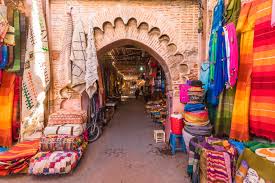
In another instance, I was in Marrakech. The Jemaa el-Fna square was buzzing. Snake charmers played their pipes.
Storytellers gathered crowds. The spice stalls were a riot of color. Piles of saffron, cumin, and paprika created mountains of scent.
I felt a little overwhelmed at first. But soon, I was drawn into the energy. I bought a small, hand-painted tagine.
It felt like I was bringing a piece of that magic home.
Elements of a Great Traditional Market
Many factors contribute to a market’s success. It’s a mix of things. Good location is key.
It needs to be easy to get to. People need to be able to reach it. The variety of goods is also important.
You want to see many different things. Fresh food is a must for many. Unique crafts attract others.
Good food stalls are a big draw.
The people who run the stalls matter. Friendly vendors make a big difference. Their knowledge and passion are contagious.
They can tell you about their products. They share stories. This personal touch is priceless.
The atmosphere is crucial too. It should feel welcoming. It should feel alive.
Cleanliness is also a factor. Even busy markets need to be clean. This makes shoppers feel comfortable.
Safety is important. Everyone wants to feel safe while they shop. Finally, history and authenticity play a big role.
Markets that have been around for years have a special charm. They connect us to the past.
What to Look For in a Market
- Freshness: Look for vibrant produce. See bright colors and firm textures.
- Variety: A good market has many different types of items. Think food, crafts, clothing, and more.
- Local Products: Seek out things made or grown nearby. These are often the most unique.
- Friendly Vendors: People who love what they sell add a lot. They are happy to talk.
- Authentic Atmosphere: Feel the energy of the place. Does it feel real and lived-in?
- Cleanliness: A clean market is a pleasant market. This shows care.
The World’s Top Traditional Markets: A Closer Look
Let’s explore some places that stand out. These are markets that have earned their fame. They offer something truly special.
Each one has its own character. They draw people from all over the globe.
Grand Bazaar, Istanbul, Turkey
The Grand Bazaar is one of the oldest and largest covered markets in the world. It’s a maze of over 4,000 shops. You can find almost anything here.
Think carpets, ceramics, lanterns, and spices. It’s a sensory overload in the best way.
Walking through its arched alleyways feels like a journey into history. The vibrant colors of the textiles and lamps catch your eye. The calls of vendors fill the air.
It’s a place where bargaining is part of the experience. It’s easy to spend hours getting lost here.
What makes it so enduring is its history. It has been a center of trade for centuries. It has survived wars and changes.
This resilience adds to its charm. It’s more than a market; it’s a landmark. It represents Istanbul’s rich cultural tapestry.
Grand Bazaar Quick Facts
Location: Istanbul, Turkey
Size: Over 4,000 shops
Known For: Carpets, ceramics, leather goods, jewelry, spices, lanterns.
Experience: Lively, historic, maze-like, great for bargaining.
La Boqueria Market, Barcelona, Spain
La Boqueria is a famous food market. It sits right off Las Ramblas in Barcelona. It’s a feast for the eyes and the stomach.
Stalls overflow with fresh fruit. Juicy meats hang from hooks. Freshly caught seafood glistens on ice.
The colors are amazing.
You can find everything from local cheeses to exotic fruits. Many stalls offer prepared foods. You can grab a fresh juice or a plate of tapas.
It’s a perfect spot to try authentic Spanish flavors. The energy is high. It’s always busy with locals and tourists.
The market has a long history, dating back to the 13th century. It started as an outdoor market. Over time, it grew into the stunning structure it is today.
Its location makes it very accessible. It truly embodies the vibrant food culture of Catalonia.
La Boqueria Highlights
Primary Focus: Food and culinary delights.
Must-Try: Fresh fruit juices, local charcuterie, seafood tapas.
Atmosphere: Bustling, colorful, aromatic, energetic.
Tip: Go early to avoid the biggest crowds and get the freshest picks.
Tsukiji Outer Market, Tokyo, Japan
While the inner wholesale fish market moved, the Tsukiji Outer Market still thrives. It’s a fantastic place for food lovers. You’ll find stalls selling fresh seafood, produce, and kitchenware.
It’s known for its amazing sushi restaurants. You can also buy dried goods and teas.
The market has a very organized feel. It’s clean and efficient, typical of Japan. Vendors are friendly but focused.
You can sample many things. Freshly grilled scallops are a popular treat. Tamagoyaki (rolled omelet) is also a must-try.
It’s a great place to learn about Japanese ingredients.
Tsukiji has been a central fish market for decades. Even with the relocation of the main auction, the outer market retains its spirit. It offers a genuine taste of Tokyo’s culinary scene.
It’s a place where tradition meets modern food culture.
Tsukiji Outer Market Snapshot
Specialty: Seafood, Japanese ingredients, kitchenware, sushi.
Key Experience: Tasting fresh sushi, trying local snacks like tamagoyaki.
Vibe: Orderly, clean, focused on quality and flavor.
Best For: Foodies looking for authentic Japanese tastes.
Marrakech’s Jemaa el-Fna, Morocco
Jemaa el-Fna is more than a market; it’s a performance space. By day, it’s relatively calm. You see juice stalls and some merchants.
But as evening falls, it transforms. It becomes a lively hub of activity. Food stalls set up.
Storytellers gather crowds. Musicians play traditional instruments.
The air fills with smoke from grills. Delicious smells of tagines and kebabs waft through the square. You can sit at long communal tables and eat.
It’s a very social experience. You’ll also find snake charmers, acrobats, and henna artists. It’s an overwhelming but exciting place.
This square has been the center of Marrakech for centuries. It’s a place of gathering, trade, and entertainment. It reflects the vibrant spirit of Moroccan culture.
It’s a UNESCO Masterpiece of the Oral and Intangible Heritage of Humanity. It truly captures the essence of the city.
Jemaa el-Fna: Evening Transformation
Daytime: Juice stalls, some crafts, relatively calm.
Nighttime: Transforms into a bustling open-air food court and entertainment center.
Food Highlights: Grilled meats, tagines, snail soup, fresh juices.
Entertainment: Storytellers, musicians, dancers, snake charmers.
UNESCO Status: Recognized for its cultural significance.
Union Market, Washington D.C., USA
Union Market is a more modern take on a traditional market. It’s located in Northeast D.C. It’s a vibrant food hall.
It brings together a variety of local vendors. You can find everything from artisanal cheese to gourmet doughnuts. It’s a hub for food innovation and local businesses.
The atmosphere is lively and social. People gather to eat, drink, and shop. There are stalls selling fresh produce too.
It’s a great place to sample different cuisines. You can get oysters, tacos, or Italian pastries. It’s popular for weekend brunch and evening gatherings.
It’s built in a historic wholesale produce market building. This gives it a connection to the past. It shows how markets can evolve.
They can adapt to modern tastes. It’s a testament to the ongoing importance of communal food spaces. It supports local entrepreneurs.
Union Market’s Appeal
Concept: Modern food hall with diverse local vendors.
Offerings: Gourmet foods, artisanal products, fresh produce, drinks.
Vibe: Lively, social, trendy, community-focused.
Supports: Local businesses and culinary innovation.
Borough Market, London, UK
Borough Market is one of London’s oldest food markets. It’s located in Southwark. It’s famous for its high-quality produce.
You can find artisanal bread, cheeses, meats, and more. It’s a place for food enthusiasts. Many chefs shop here for their ingredients.
The market has a wonderful atmosphere. It’s busy but friendly. The vendors are passionate about their food.
They are happy to share samples and advice. You can get delicious street food here too. Think gourmet pies, paellas, and curries.
It’s a true celebration of food.
Its history dates back over 1,000 years. It has been a trading spot for centuries. The current market buildings are beautiful.
They add to the historic charm. It’s a vital part of London’s culinary landscape. It connects people to the source of their food.
Borough Market Essentials
Main Draw: High-quality food produce and artisanal goods.
Food Stalls: Excellent selection of gourmet street food.
Vendor Knowledge: Passionate and informed sellers.
Historic Site: Over a millennium of trading history.
Best Visit: Weekends are very busy, weekdays are slightly calmer.
Chatuchak Weekend Market, Bangkok, Thailand
Chatuchak, or JJ Market, is massive. It’s one of the largest outdoor markets in the world. It has over 15,000 stalls.
You can buy almost anything imaginable. Clothing, accessories, antiques, pets, and plants are all here. It’s a shopper’s paradise.
The sheer scale of it is incredible. You can get lost for days exploring its sections. It’s very hot and humid, so hydration is key.
Look for unique handmade crafts and souvenirs. Bargaining is expected and part of the fun. It’s a great place to find deals.
This market started small. It grew over time to become a city icon. It shows the dynamism of Bangkok.
It’s a place where locals and tourists mingle. It’s an essential experience for anyone visiting the city. It offers a true taste of Thai commerce.
Chatuchak Market Overview
Size: Enormous, with over 15,000 stalls.
Product Range: Vast, from clothing and crafts to antiques and pets.
Shopping Style: Bargaining is common and expected.
Best Strategy: Wear light clothing, stay hydrated, and allow plenty of time.
Open: Primarily on weekends.
The Real-World Context of These Markets
These markets are not just tourist attractions. They are vital parts of their communities. They provide jobs.
They support local farmers and artisans. They offer fresh, often more affordable, food. They preserve traditional skills and crafts.
They are living museums of culture.
Think about the flow of goods. Farmers bring their daily harvest. Bakers bring fresh bread.
Fishermen bring their catch. This direct connection reduces waste. It ensures freshness.
It supports the local economy directly. It’s a sustainable model.
The social aspect is also huge. These are places where people connect. They build relationships.
They maintain community ties. For many, especially in older generations, this is their primary social outlet. It’s where they get their news.
It’s where they feel belonging.
What This Means for You
Visiting a traditional market offers a unique experience. It’s a chance to connect with a place on a deeper level. You can taste authentic foods.
You can find unique souvenirs. You can learn about local crafts and customs.
When is it normal to feel a bit overwhelmed? It’s normal in very large markets like Chatuchak or the Grand Bazaar. The crowds and the sheer volume of goods can be a lot.
Just take it slow. Focus on one area at a time.
When should you worry? If a market feels unsafe, or if vendors are overly aggressive, it’s okay to leave. If food handling seems unsanitary, avoid eating there.
Most traditional markets are safe and welcoming, but it’s always good to be aware of your surroundings.
Simple checks include looking at how food is displayed. Is it covered? Is it kept at the right temperature?
Are the vendors clean? Do they handle money and food separately? These small things can tell you a lot.
Quick Market Etiquette Tips
- Be Polite: Always greet vendors with a smile.
- Bargain Fairly: If bargaining is expected, do it respectfully. Don’t make ridiculously low offers.
- Ask Before Photographing: Many vendors appreciate it if you ask before taking their picture or their stall’s picture.
- Try Samples: If offered, it’s a great way to taste local flavors.
- Be Patient: Markets can be busy. Allow time for things to happen.
- Carry Small Bills: This makes transactions easier, especially for smaller purchases.
Tips for Visiting Traditional Markets
To get the most out of your visit, preparation helps. Wear comfortable shoes. You’ll be doing a lot of walking.
Dress in light, breathable clothing, especially in warmer climates. Bring a reusable bag for your purchases.
Carry small amounts of cash. While some markets accept cards, many smaller vendors rely on cash. Know a few basic phrases in the local language.
“Hello,” “thank you,” and “how much?” can go a long way.
Don’t be afraid to explore. Wander off the main paths. You might find hidden gems.
Talk to the vendors. They are often the best source of information about their products and the local area. Be open to trying new things.
That’s where the magic happens.
Market Visit Checklist
- Comfortable walking shoes
- Light, breathable clothing
- Reusable shopping bag
- Cash (small denominations)
- Water bottle
- Camera (with permission for photos)
- Open mind and adventurous spirit
Frequently Asked Questions About Traditional Markets
What is the oldest traditional market in the world?
Pinpointing the absolute oldest is tricky. However, markets like the Grand Bazaar in Istanbul and some in the Middle East have histories stretching back centuries, possibly over a thousand years. They have continuously served as trading hubs.
Are traditional markets safe for tourists?
Generally, yes. Most traditional markets are safe and welcoming. However, like any crowded place, be aware of your surroundings.
Watch out for pickpockets. Trust your instincts. If a situation feels off, it’s okay to move on.
What is the best way to bargain at a market?
In cultures where bargaining is common, start by asking the price. If it seems high, offer a lower price. Be polite and friendly.
If you can’t agree on a price, it’s okay to walk away. Often, the vendor might call you back with a better offer.
How do I find the best food at a market?
Look for stalls with long lines of locals. This is usually a good sign. Observe how the food is prepared and handled.
Talk to vendors about their specialties. Don’t be afraid to try things you haven’t had before.
What kind of souvenirs are best to buy at traditional markets?
Look for items that are handmade and unique to the region. Think local crafts, textiles, spices, or art. Avoid mass-produced items that you can buy anywhere.
A handcrafted item often tells a story and supports local artisans.
Why are some markets covered and others open-air?
Covered markets, like the Grand Bazaar, offer protection from weather. They also create a more controlled environment. Open-air markets, like Chatuchak, allow for larger scale and a more direct connection to the elements.
Both have their own charm and purpose.
Conclusion
Traditional markets are vibrant treasures. They offer a unique window into cultures worldwide. They are places of history, community, and amazing finds.
From the spices of Marrakech to the seafood of Tokyo, each market has a story. Exploring them enriches our understanding of the world. They remind us of the simple joy of connection.


Related Posts
Asian Markets Near Me
Organic Food Markets Near Me