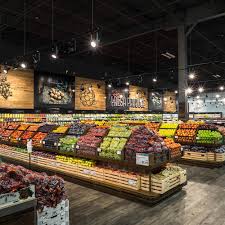
Asian Markets Near Me
Finding Asian markets involves looking for places that offer authentic ingredients and specialty foods. These markets are known for fresh produce, unique spices, and a wide variety of sauces and snacks. They are key spots for anyone wanting to cook or enjoy Asian cuisine at home.
What Are Asian Markets and Why People Love Them
Asian markets are stores that specialize in foods from Asian countries. Think of places like China, Japan, Korea, Vietnam, Thailand, India, and the Philippines. These markets are much more than just grocery stores.
They are vibrant hubs of culture and flavor.
People love them for many reasons. First, the produce is often amazing. You can find fruits and vegetables you might not see at a regular supermarket.
Things like gai lan, bitter melon, or durian. The quality is usually top-notch. The items are often fresher because they come in quickly.
Then there are the shelves packed with sauces, spices, and pantry staples. Soy sauces in dozens of varieties. Chili pastes in every heat level imaginable.
Rice noodles of all shapes and sizes. Specialty flours and oils. It’s a cook’s paradise.
You can also find prepared foods and snacks. Think of steamed buns, dumplings, or delicious mochi. Unique candies and drinks fill the aisles.
It’s a great place to discover new tastes and textures.
The experience itself is part of the draw. The sights, sounds, and smells are different. You might hear different languages spoken.
You see colorful packaging. It feels like an adventure. It connects you to different traditions and ways of eating.
For home cooks, it’s where you find the authentic ingredients. These are the items that make a dish taste truly like it should. It allows you to recreate favorite restaurant meals or explore new recipes with confidence.
It’s about getting the real deal.
Many people also feel a connection to their heritage. They can find foods that remind them of home. This is especially true for those who have moved away from their home country.
These markets help keep those cultural links strong. It offers a sense of comfort and familiarity.
Finally, the prices can often be very good. Especially for produce and certain pantry items. You can get more for your money.
This makes cooking with fresh ingredients more affordable. It opens up more culinary possibilities.
My Own Asian Market Adventure
I remember the first time I stepped into a proper Asian market. I was in a new city for work. I’d always loved trying new foods.
My hotel was near a busy street. I saw a sign in characters I didn’t recognize. Curiosity pulled me in.
The doors slid open, and bam! It was like stepping into another world. The air smelled of spices I couldn’t name and something sweet, maybe fruit.
Shelves reached the ceiling, packed with colorful boxes and bags. People were chatting in languages that sounded musical. I felt a little out of place at first.
But then I saw a display of the most vibrant green leafy vegetables. I’d never seen anything like them. I picked up a bunch of what looked like small cabbages.
I pointed to a bottle of dark liquid and smiled at the woman behind the counter. She smiled back and nodded. That day, I bought those strange greens, a bottle of soy sauce that tasted so much richer than what I used at home, and some tiny, perfect rice cakes filled with sweet red bean paste.
That trip changed how I thought about grocery shopping. It showed me a whole new universe of flavors waiting to be discovered. It was a little intimidating, but mostly, it was exciting.
Finding Your Local Asian Market: Key Steps
Online Search: Start with simple searches like “Asian grocery store near me” or “Chinese market “. Use maps apps too. They often show store types and reviews.
Community Ask: Talk to friends or colleagues who enjoy cooking or eating Asian food. They often have the best insider tips.
Cultural Hubs: Look for areas in your city known for diverse populations. These often have a higher concentration of ethnic grocery stores.
Read Reviews: Pay attention to what people say about freshness, variety, and authenticity. Good reviews for specific products are a great sign.
How to Navigate the Aisles Like a Pro
Walking into an Asian market can be a bit overwhelming at first. So many new things! But once you know a few tricks, it becomes super fun and easy.
Think of it as an exploration, not a chore.
First, don’t be afraid to ask questions. Most staff are happy to help. They know their products well. If you’re looking for something specific, just ask.
If you’re not sure what something is, point to it and ask “What is this?” They can tell you how to use it, too.
Next, look at the produce section first. This is often the heart of the market. You’ll find amazing fresh ingredients here. Don’t be shy about picking up the produce.
Feel it. Smell it. If it looks vibrant and firm, it’s likely fresh.
Compare prices; sometimes different Asian vegetables are priced differently.
Then, move on to the sauces and condiments. This is where the magic happens for flavor. Soy sauce, fish sauce, oyster sauce, chili pastes, curries. Look for brands that seem popular with other shoppers.
Often, local favorites are the best. If you see a small bottle of something that looks interesting, give it a try. A little goes a long way.
Don’t miss the noodle and rice aisle. You’ll find so many types of noodles here. Rice noodles, egg noodles, glass noodles, ramen. Each works differently in dishes.
Same for rice. Jasmine rice, sushi rice, sticky rice. Knowing the difference helps your cooking.
Explore the frozen section. This is often where you find dumplings, spring rolls, buns, and other frozen treats. They are usually very good and a lifesaver for quick meals. Look for brands that have clear pictures of the food inside.
Snacks and drinks are a fun area. You can find unique chips, cookies, candies, and beverages from all over Asia. It’s a great place to try something new.
Especially if you have a sweet tooth or love spicy snacks.
Finally, check out the fresh seafood or meat sections if available. They often have unique cuts or types of fish. Just like the produce, look for freshness.
Bright eyes on fish and firm flesh on meats are good signs.
It’s okay to wander and browse. You’ll discover things you didn’t even know you were looking for. Take your time.
Enjoy the experience. The more you go, the more comfortable you’ll feel.
Quick Scan: Must-Try Items at Asian Markets
Produce: Bok Choy, Gai Lan, Napa Cabbage, Daikon Radish, Scallions, Lemongrass, Ginger, Thai Basil.
Sauces & Pastes: Soy Sauce (various types), Fish Sauce, Hoisin Sauce, Sriracha, Gochujang (Korean chili paste), Curry Pastes (Thai).
Noodles & Rice: Rice Noodles (various widths), Ramen Noodles, Udon Noodles, Jasmine Rice, Sushi Rice.
Snacks: Pocky (Japanese biscuit sticks), Shrimp Chips, Mochi (Japanese rice cakes), Seaweed Snacks.
Pantry: Sesame Oil, Rice Vinegar, Coconut Milk, Star Anise, Dried Mushrooms.
Understanding Different Types of Asian Markets
Not all Asian markets are the same. They often cater to different regions. Knowing this helps you find exactly what you need.
It’s like knowing if you’re going to an Italian deli or a French patisserie. Each has its own specialty.
Chinese Markets: These are often the most common. You’ll find a huge variety of produce. Lots of dried goods, teas, and medicinal herbs.
They usually have a great selection of soy sauces, oyster sauces, and cooking wines. Noodles are plentiful, from fresh to dried. You might also find live seafood and a good butcher section.
Korean Markets: These markets have a distinct feel. Kimchi is a star here, with many varieties. You’ll find gochujang (red chili paste) and doenjang (soybean paste).
They often have great fresh meat for grilling, like bulgogi cuts. Snacks and unique drinks are also common. Look for instant ramen and rice cakes (tteok).
Japanese Markets: These tend to be a bit more refined. You’ll find high-quality sushi rice, different types of soy sauce (like tamari), and dashi broth ingredients. Miso pastes are varied.
They often have excellent snacks, unique candies, and beautiful tableware. Fresh fish for sushi is a hallmark if it’s a larger store.
Vietnamese Markets: Look for fresh herbs like cilantro, mint, and Thai basil in abundance. Baguettes for Banh Mi sandwiches. Fish sauce is a key item.
You’ll also find ingredients for pho, like star anise and cinnamon. Exotic fruits are often available.
Thai Markets: Similar to Vietnamese markets, but with a focus on Thai flavors. Curry pastes (red, green, yellow) are essential. Lemongrass, galangal, and kaffir lime leaves are common.
Coconut milk, both liquid and cream, will be there. Unique snacks and sweets are also a highlight.
Indian Markets: These are a paradise for spices. Turmeric, cumin, coriander, garam masala, and so many more. Lentils and rice varieties are vast.
You’ll find Indian breads like naan and roti. Sweets and snacks are also a big part of the culture.
Southeast Asian Markets: These might combine influences from multiple countries like the Philippines, Malaysia, and Indonesia. You might find ingredients like pandan leaves, ube (purple yam), and a wider range of tropical fruits. Look for specialties like Filipino adobo sauce or Malaysian curry laksa paste.
Sometimes, larger Asian supermarkets might carry items from several of these regions. This is great for exploration. But if you’re seeking a very specific ingredient, knowing the primary focus of the market helps.
For example, if you need authentic kimchi, a Korean market is your best bet. If you’re making Pad Thai, a Thai or general Southeast Asian market is ideal.
Contrast Matrix: What to Expect
Myth: All Asian markets sell the same things.
Reality: Markets often specialize in food from specific countries or regions (e.g., Korean, Chinese, Indian). This affects their product selection.
Myth: You need to know a lot about Asian food to shop there.
Reality: Staff are helpful, and exploring is part of the fun. Start with familiar items and branch out. Pictures and English labels are often available.
Myth: Everything is super exotic and hard to find.
Reality: While they have unique items, many staples like rice, soy sauce, and common vegetables are readily available and often better quality.
Real-World Scenarios for Asian Market Shoppers
Let’s imagine a few common situations where an Asian market becomes your best friend.
Scenario 1: The Home Cook’s Quest. You’re trying to recreate a dish you loved at a restaurant. Maybe it’s a spicy Thai green curry. You know the recipe calls for kaffir lime leaves and Thai basil.
Your regular grocery store is a bust. You head to the local Thai market. There they are!
Fresh, fragrant kaffir lime leaves and a big bunch of Thai basil. You also find the perfect red curry paste and creamy coconut milk. Your dish will taste authentic because you found the right ingredients.
This is where Asian markets shine. They fill gaps regular stores can’t.
Scenario 2: The Adventurous Eater. You love trying new things. You’re bored with your usual meals. You visit an Asian market with no specific plan.
You wander through the aisles. You see colorful packaging for snacks you’ve never heard of. You pick up a bag of shrimp chips.
Then you find a bottle of chili oil with floating peppers. You decide to try it. You grab some exotic fruit, maybe a dragon fruit or a star fruit.
You leave with a bag full of new tastes to explore. This is how you expand your palate and discover hidden culinary gems. The market is your playground.
Scenario 3: The Budget-Savvy Shopper. You’re trying to eat healthy but also save money. You know that produce at many Asian markets is often very fresh and cheaper. You head there for your weekly vegetables.
You buy big bags of bok choy, Napa cabbage, and fresh ginger. You also pick up some affordable jasmine rice and a large bottle of good soy sauce. You’re getting high-quality ingredients for less.
This makes cooking nutritious meals at home much more accessible.
Scenario 4: The Nostalgic Return. Maybe you grew up eating certain foods. Or you visited a country and fell in love with its cuisine. You’re looking for those familiar tastes.
You find an Asian market that specializes in that region. You find the exact brand of noodles or the specific spice mix your grandmother used. It’s more than just food; it’s a connection to memories and heritage.
These markets provide that vital link.
These are just a few examples. But they show how Asian markets fit into our lives in so many useful and enjoyable ways. They are a resource for food, culture, and connection.
Stacking Micro-Sections: Shopping Tips
Bring Your Own Bags: Many markets charge for bags. Plus, it’s eco-friendly.
Check Expiration Dates: While often fresh, it’s always good to double-check, especially for packaged goods.
Cash is Handy: Some smaller markets might prefer cash, or have a minimum for card purchases.
Go Early or Late: For the freshest produce, go early. For a less crowded experience, try later in the day or on weekdays.
Don’t Be Afraid of the “Weird”: That’s where the best discoveries happen! Pick up something new every visit.
What Finding a Good Asian Market Means for Your Kitchen
Having a reliable Asian market nearby really changes things for your home cooking and eating habits. It opens up a whole new world of possibilities.
You can cook authentic dishes. Recipes that called for special ingredients are now achievable. You can make Pad Thai that tastes like the street food in Bangkok. Or a rich Japanese ramen.
Or spicy Korean stew. You have the power to create real flavors.
Your meals become more varied. Instead of the same few staples, you can introduce new vegetables, grains, and proteins. You might start eating more fish, or trying different kinds of tofu. Your diet becomes healthier and more interesting.
You learn more about food. You start recognizing different types of peppers, chilies, and herbs. You learn about new cooking techniques. You understand how certain sauces build flavor.
It’s a continuous learning process.
You can save money. As mentioned, produce and certain staples are often cheaper. This means you can cook more meals at home and eat out less, saving money in the long run. It makes healthy eating more affordable.
You support local businesses. These markets are often family-owned. Shopping there helps keep these important community hubs alive. You’re investing in your local economy and in cultural diversity.
You discover new favorite snacks. Forget the usual chips and cookies. Asian markets have an amazing array of unique candies, drinks, and savory snacks. You might find your new go-to treat.
It’s an experience. It’s not just about buying food. It’s about exploring, learning, and enjoying the vibrant atmosphere. It’s a mini-trip without leaving your city.
So, finding that perfect Asian market is like finding a hidden gem. It enhances your life, your kitchen, and your taste buds.
Quick-Scan Table: When to Visit
| For the Freshest Produce: | Early morning, especially on weekends or just after a delivery day. |
| For Specific Items: | Call ahead or visit during regular business hours to ask staff. |
| For a Quiet Experience: | Weekdays, mid-morning or mid-afternoon. Avoid lunch rushes. |
| For Snacks & Treats: | Anytime! But maybe after you’ve done your main shopping. |
When to Worry and When It’s Just a Normal Market Day
Most of the time, visiting an Asian market is a safe and enjoyable experience. But like any grocery store, there are a few things to keep an eye on. It’s mostly about common sense.
When it’s normal:
- Crowds: Weekends and evenings are often busy. This shows the market is popular.
- Unfamiliar Items: It’s an Asian market! Of course, there will be things you don’t recognize. That’s part of the fun.
- Different Packaging: Many products will have writing in Asian languages. Look for pictures or English descriptions.
- Unusual Smells: Some ingredients, like fermented products or certain fish, have strong smells. This is normal for those items.
- Limited English: Some staff might speak limited English. A smile and pointing go a long way.
When to be a bit more cautious:
- Produce Quality: If produce looks wilted, bruised, or slimy, it’s probably past its prime. Choose the freshest items.
- Packaging Damage: Check cans, bags, and boxes for tears, dents, or signs of spoilage.
- Hygiene: Keep an eye on the general cleanliness of the store. Is it well-maintained?
- Meat/Seafood Display: Ensure these areas are kept cold and look fresh. If something seems off, avoid it.
- Expired Dates: Always check expiration or “best by” dates on packaged goods.
Simple Checks you can do:
- Produce: Look for bright colors, firm texture, and no signs of mold or damage.
- Packaged Goods: Ensure seals are intact and there are no leaks.
- Frozen Items: Make sure they are truly frozen, not icy or partially thawed.
In general, Asian markets are safe places to shop. The vast majority of the time, you’ll find wonderful products and have a great experience. Just apply the same common-sense shopping habits you would anywhere else.
If something seems genuinely wrong or unsanitary, it’s okay to politely leave and find another market.
Observational Flow: A Typical Visit
Enter: Greeted by new sights and smells.
Produce Aisle: Select fresh greens, unique fruits.
Sauce & Pantry Section: Stock up on essentials and try a new condiment.
Noodles & Rice: Grab staples for future meals.
Frozen Section: Pick up dumplings or buns for convenience.
Snack Aisle: Choose a fun new treat.
Checkout: Pay for your treasures.
Depart: Excited to cook!
Quick Tips for Finding Asian Markets Online
In today’s world, your phone is your best friend when searching for places. Here are some super-easy ways to find Asian markets near you without leaving your couch.
Use Your Favorite Search Engine: Type in phrases like “Asian grocery stores,” “best Asian markets,” or “Chinese supermarket .” Google, Bing, or DuckDuckGo are all good options.
Leverage Map Apps: Google Maps, Apple Maps, or Waze are fantastic. Search for “Asian market” or “Asian grocery store.” You’ll see pins on the map with store names, addresses, and often ratings and reviews. You can even get directions.
Check Review Sites: Yelp, TripAdvisor, or even local community forums can be goldmines. People often share detailed reviews about specific products, good deals, or the overall experience.
Look for Photos: Many map and review sites have photos uploaded by users. These can give you a great visual sense of the store and its products before you even visit.
Social Media Searches: Sometimes searching on Facebook or Instagram for local Asian market groups or hashtags related to your city and Asian food can reveal hidden gems or recommendations.
Be Specific if You Can: If you’re looking for a Korean market, search “Korean grocery store near me.” If you need Indian spices, search “Indian grocery store.” This helps narrow down results.
Don’t Dismiss Smaller Stores: Sometimes the best finds are in smaller, less flashy neighborhood markets. Don’t overlook them!
It’s amazing how much information is at your fingertips. A few quick searches can lead you to your next favorite food destination.
Frequently Asked Questions About Asian Markets
What makes an Asian market different from a regular supermarket?
Asian markets specialize in food products from various Asian countries. They offer a wider selection of unique produce, sauces, spices, noodles, and snacks that you typically won’t find in a standard Western supermarket. The focus is on authentic ingredients for Asian cuisines.
Are Asian markets always expensive?
Not at all! While some specialty items might be pricier, many staples like rice, produce, and certain dried goods are often very competitively priced, sometimes even cheaper than at regular supermarkets. They can be great for budget-friendly, healthy shopping.
What should I buy on my first visit?
Start with the basics! Pick up some fresh produce like bok choy or Napa cabbage. Try a popular soy sauce or fish sauce.
Grab some jasmine rice or a pack of rice noodles. Exploring the snack aisle for something new is also fun!
Can I find gluten-free options at Asian markets?
Yes, many Asian cuisines naturally use gluten-free ingredients like rice and rice noodles. Look for products labeled as rice-based. Soy sauces often contain wheat, but tamari (a Japanese soy sauce) is typically gluten-free, and many markets carry gluten-free specific soy sauces.
What if I don’t speak the language spoken in the market?
Most staff at larger markets speak some English. Don’t be afraid to use pointing, gestures, and a smile! Many products also have English labels or pictures to help you.
Staff are usually happy to assist shoppers.
How do I know if the produce is fresh?
Look for vibrant colors, firm textures, and a fresh smell. Avoid produce that is wilted, bruised, slimy, or has mold. Just like at any grocery store, inspect items before buying.
Can I find specialty items for specific diets, like vegan or vegetarian?
Absolutely. Many Asian dishes are naturally vegetarian or vegan, using ingredients like tofu, vegetables, and mushrooms. You’ll find a wide array of plant-based products, including different types of tofu, vegetarian stir-fry sauces, and delicious meat substitutes.
Wrapping Up Your Asian Market Journey
So there you have it! Finding an Asian market is the first step to unlocking a world of amazing flavors. It’s about more than just groceries.
It’s about culture, discovery, and delicious food. Don’t be shy on your next visit. Explore those aisles.
Ask questions. Try something new. Your kitchen will thank you for it.
Happy shopping and happy cooking!


Related Posts

Organic Food Markets Near Me

Famous Shopping Markets In Dubai